- Year
- 2012-2013
- Length
- 30 min.
- Type
- Documentary
- Director
- Femke Kramer
- Production
- Motion Works
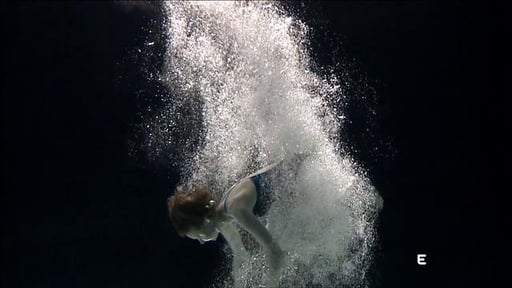
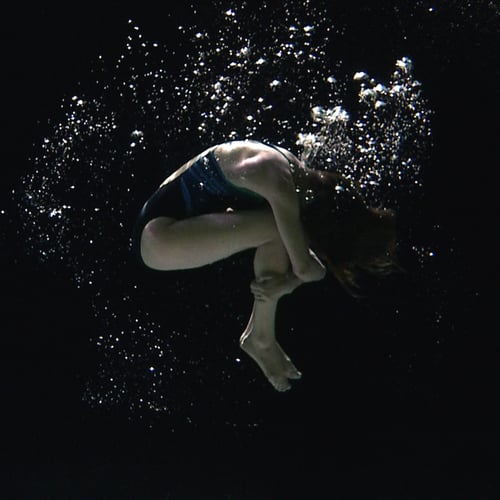
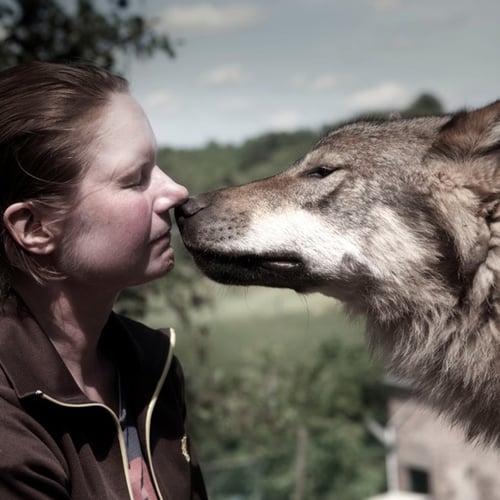
Deze documentaire laat met wonderlijke onlogica het inzicht zien in het leven van een jonge vrouw die plotseling gedwongen wordt anders te leven door de auto-immuunziekte Lupus. Door haar verbeeldingskracht kan ze omgaan met de ziekte. We zien wat ze anders niet wil laten zien. We horen wat ze normaal niet zegt. Femke is ziek en is klaar met ziek zijn. Ze leeft met de zeldzame auto-immuunziekte Lupus. Een sluipschutter die altijd met haar mee loopt en waarvan ze nooit weet wat hij vandaag gaat doen. Haar immuunsysteem weet niet meer wat goede en slechte cellen zijn, maar dat heeft ze al duizend keer uitgelegd! Ze is dapper! Zegt men. Zij vindt van niet. Ze is theater en film maker en door haar enorme verbeeldingskracht en fantasie weet ze om te gaan met de ziekte. Kwetsbaar en eigenzinnig strijdt ze haar strijd. Cynisch als het moet. In de film ervaren we hoe ze dat doet. De film trekt ons mee in haar binnenwereld. We zien wat ze anders niet wil laten zien. We horen wat ze normaal niet zegt. Op het scherpst van de snede, omdat ze ervan uitgaat dat ze alles kan. In haar hoofd dan in elk geval. In een traditioneel commentaar licht Femke zelf toe wat er met haar gebeurd, wat de gevolgen zijn en wat dat met haar doet. Allemaal sociaal verantwoordelijk, netjes aangepast. Echter steeds weer onderbroken door een volkomen ontmanteld en ontwapenend commentaar, ook van haar zelf. Geen eendimensionaal beeld van medische feiten en prognose, maar het verhaal van een mens achter de ziekte. Een vrouw die 24 uur per dag dealt met de gevolgen ervan in haar leven . De gevechten die Femke aangaat, in haar lijf en hoofd, uiten zich in de film op verschillende manieren. Het is leven op de rand, met falende bloedwaarden en slopende medicijnen. Haar grenzen pushend tot het maximum. Deze geraffineerd vervlochten audio lagen, die je als kijker ervaart als de drager van de film samen met de wonderlijke onlogica in haar omgaan met de ziekte, maken deze documentaire onderscheidend. Je wordt als kijker steeds weer op het verkeerde been gezet. Moet steeds alert blijven. Als kijker wordt je gedwongen zelf na te denken. Je kan niet mee in een afstandelijk medelijden dat laat zien dat ziekte in deze maatschappij als het ware not done is. Eigenzinnig en vol ironie zoekt ze haar eigen weg. Daarbij alles inzettend wat ze voor handen heeft. Opstandig, soms grappig. Gewoon precies zoals het is. De korte documentaire 'I used to dance' is daarmee zowel een confrontatie als een inspiratiebron die oproept tot dialoog.
Wonderful illogic insight into the life of a young woman who is suddenly forced to live in a different way.
Femke is sick and she is done with being sick. She lives with the rare auto immune disease Lupus. A sniper. Her immune system does not know what the good and the bad cells are, but thát she already explained a thousand times! She is brave! They say. She doesn't think so. Through her imagination and fantasy, she is able to cope. Vulnerable and obstinate she fights her battle. Cynical when needed. In the film we experience how she does that. The film draws us into her inner world. We see what she does not want to show. We hear what she normally does not say. On the cutting edge, because she assumes that she can do everything. In her head, at the least. In a traditional way Femke comments what happens to her, what the consequences are and what its doing to her. All socially responsible, neatly adjusted. But again and again interrupted by a completely dismantled and disarmingly comments, also from herself. The film is no one-dimensional image of medical facts and prognosis, but a story of a woman behind the disease. A woman dealing 24 hours a day with the consequences, on all levels in life. The battles that Femke fights, in her body and head, manifest themselves in the film in different ways. It's life on the edge, with failing blood values and devastating drugs. Pushing her boundaries to the max. The sophisticated audio intertwined layers, which the viewer feels as the carrier of the film along with the wonderful illogic in her deal with the disease, make this documentary distinctive. They constantly put you on the wrong track as a viewer. You always need to stay alert. Viewers are forced to think for themselves. You cannot come along in a distant pity, showing that disease in this society is seemingly not done. Idiosyncratic and full of irony, she seeks her own ways. Using everything what is available to her. Rebellious, and sometimes funny. Just as it is. The short documentary I USED TO DANCE is therefore a confrontation as well as an inspiration evoking a dialogue.

Crew